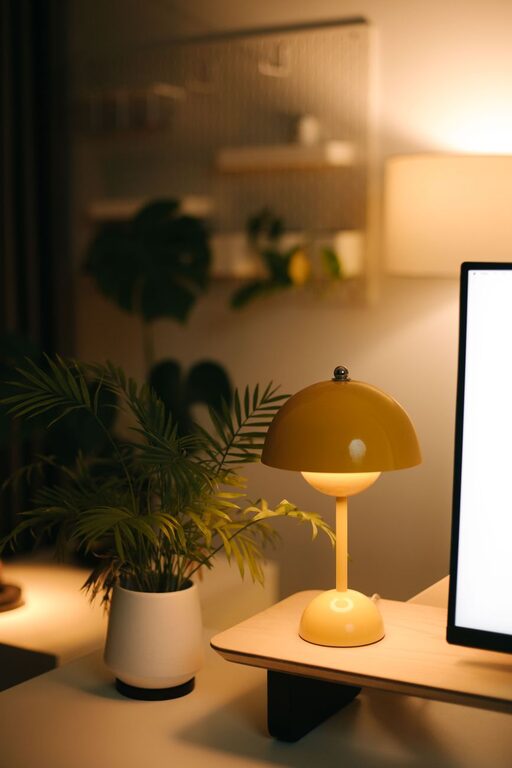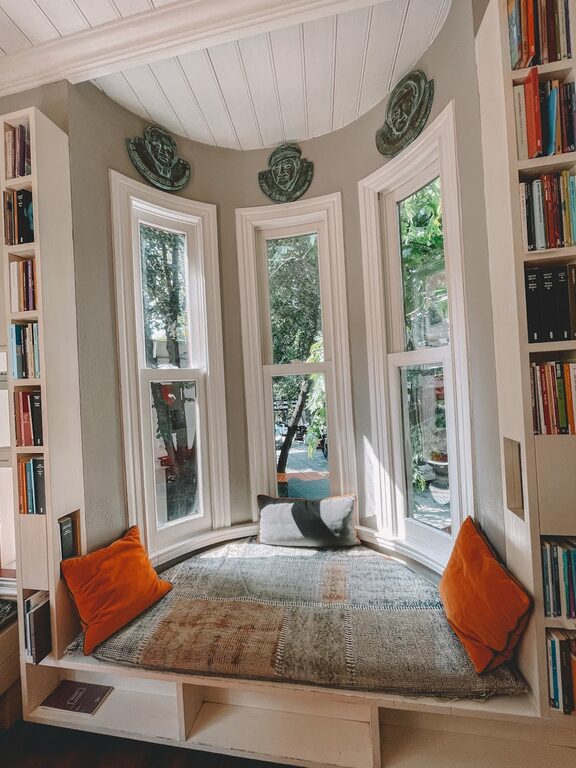

Creating a relaxing home workspace can make a significant difference in your productivity and overall well-being. When your workspace feels calm and inviting, you’re more likely to stay focused, reduce stress, and enjoy your workday. Whether you work from home full-time or occasionally, setting up a comfortable and efficient space is key. In this post, we’ll explore practical tips for designing a home workspace that boosts productivity while keeping relaxation in mind.
Why a Relaxing Workspace Matters
A workspace that feels peaceful and organized can help you maintain concentration and creativity. When distractions are minimized and comfort is prioritized, work tasks become easier to manage. A relaxing environment supports your mental health by reducing feelings of overwhelm and burnout, especially when balancing work with home life. Let’s dive into how to create such a space.
Choose the Right Location
Find a Quiet Spot
Select a part of your home that is naturally quiet, away from busy areas like the kitchen or living room. This reduces background noise and interruptions during work hours.
Consider Natural Light
Natural light improves mood and alertness. Try to position your desk near a window where sunlight can brighten your workspace. If natural light is limited, choose soft white lighting that mimics daylight to keep your environment pleasant.
Personal Space Matters
A workspace dedicated solely to work helps separate professional and personal life. Even if space is limited, setting boundaries—like a specific desk or corner—can improve focus.
Invest in Comfortable Furniture
Ergonomic Chair
An ergonomic chair supports good posture, reducing back and neck strain. Comfort is essential when you spend long hours sitting, so prioritize adjustable chairs with lumbar support.
Supportive Desk
Choose a desk that fits your needs — enough surface area for your laptop, monitor, and a few essential items without overwhelming the space. Consider a standing desk or a desk converter if you want to alternate between sitting and standing.
Keep Your Workspace Organized
Declutter Regularly
A clutter-free desk helps clear your mind. Limit your desk items to essentials like your computer, notepad, and a few personal items. Use drawers or shelves to store other supplies.
Use Storage Solutions
Organizers, trays, and filing systems help keep papers and office supplies neatly arranged. Label boxes or drawers for easier access.
Manage Cables
Tangled cords can add visual stress. Use cable clips, sleeves, or under-desk trays to keep cords tidy and out of sight.
Add Calming Elements
Incorporate Plants
Plants add a touch of nature, improve air quality, and create a soothing atmosphere. Easy-to-care-for options like succulents or spider plants work well for busy schedules.
Choose Soothing Colors
Soft, muted colors like pale blues, greens, or neutrals promote calmness. You can add color to your walls, desk accessories, or artwork.
Use Natural Materials
Wood, linen, or stone textures feel warm and grounding. Consider a wooden desk accessory or fabric-covered bulletin board.
Optimize Lighting and Sound
Adjustable Lighting
Use desk lamps with dimmable bulbs to control brightness based on your needs. Adjustable lighting helps avoid eye strain while creating a cozy vibe.
Background Sounds
Some people work better with soft background sounds. Consider playing gentle instrumental music, nature sounds, or white noise to mask distracting noises.
Personalize Thoughtfully
Display Inspirational Items
Keep a few meaningful photos, quotes, or artwork that motivate and inspire without cluttering. These small touches make your workspace welcoming.
Avoid Overcrowding
Balance personalization with simplicity. Too many decorations can feel overwhelming and distract from work.
Develop a Routine
Set Work Hours
Establish regular starting and finishing times. A routine signals your brain when it’s time to focus and when to relax.
Take Breaks
Incorporate short breaks to stand, stretch, or breathe deeply. Moving away from your desk refreshes your mind and supports long-term productivity.
Maintain Air Quality and Temperature
Keep Air Fresh
Open windows when possible to circulate fresh air or use a small air purifier to reduce dust and allergens.
Comfortable Temperature
Make sure your workspace is neither too hot nor too cold. Comfort helps maintain concentration without distraction.
—
Creating a relaxing home workspace is about combining comfort, organization, and personal style. Applying these tips can help you build a productive environment that supports your best work while keeping stress in check. Start with small changes, and soon your workspace will become a peaceful spot you look forward to spending time in each day.