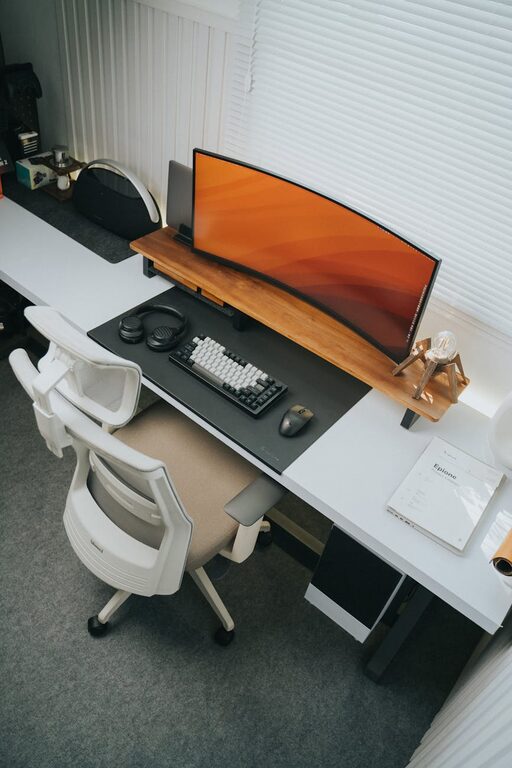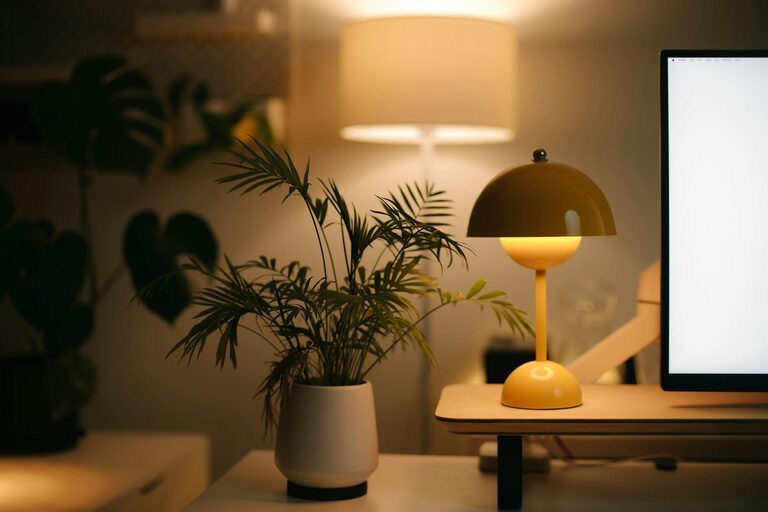
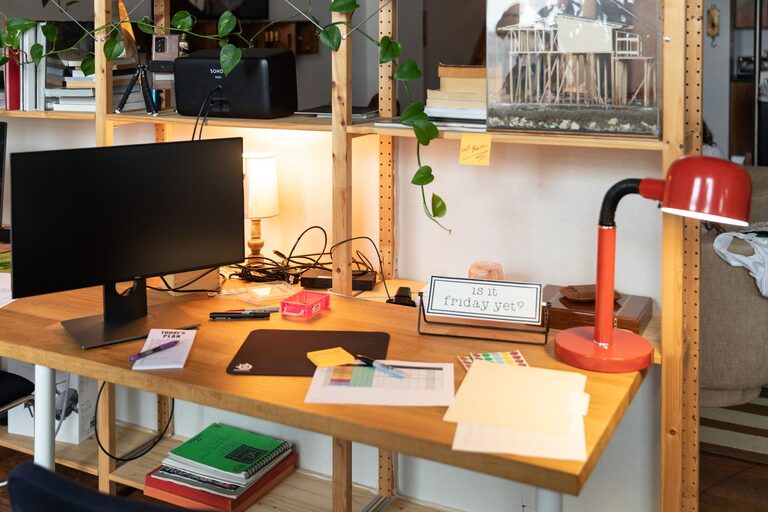
Creating a home office that feels both cozy and functional can significantly enhance your work experience, whether you work from home full-time or occasionally take on projects. A well-designed workspace fosters focus, reduces stress, and can even boost creativity. In this post, we’ll explore practical tips to set up a home office space that blends comfort with efficiency, no matter the size or style of your room.
1. Choose the Right Location
Selecting the ideal spot for your home office is a crucial first step. Consider these factors:
– Natural Light: Position your desk near a window if possible. Natural light improves mood and energy while reducing eye strain.
– Minimize Distractions: Choose a quiet corner away from busy household areas, such as the kitchen or living room.
– Space Availability: Whether you have a dedicated room or a small nook, make use of the space efficiently.
2. Invest in Comfortable and Supportive Furniture
Your office furniture plays a key role in maintaining comfort during long work hours.
– Ergonomic Chair: A chair with adjustable height and lumbar support can prevent back pain and improve posture.
– Desk Size: Ensure your desk has enough surface area for your computer, paperwork, and other essentials without feeling crowded.
– Flexible Options: If space is limited, consider foldable desks or wall-mounted tables.
3. Optimize Lighting
Good lighting reduces eye strain and keeps you alert.
– Layered Lighting: Combine natural light, overhead lighting, and task lighting like a desk lamp.
– Adjustable Lamps: Use lamps with adjustable brightness and direction to focus light where needed.
– Avoid Glare: Position screens to avoid reflections from windows or lamps.
4. Organize with Purpose
Clutter can hinder productivity and add stress. Stay organized with these ideas:
– Use Shelving: Wall-mounted shelves save floor space and keep books, files, and decor accessible.
– Drawer Organizers: Keep small items like pens, paperclips, and chargers neatly sorted.
– Cable Management: Use clips, sleeves, or ties to keep cords tangle-free and out of the way.
5. Personalize Your Space
Adding personal touches can make your office inviting and motivate you to spend time there.
– Artwork or Prints: Choose calming or inspiring images to decorate your walls.
– Plants: Indoor plants improve air quality and bring a touch of nature indoors.
– Comfort Items: Cozy blankets, cushions, or a small rug can make your space more welcoming.
6. Incorporate Functional Technology
Technology should support your workflow without becoming a distraction.
– Reliable Internet: Ensure your internet connection is strong and stable.
– Adequate Equipment: Invest in necessary devices such as a good monitor, keyboard, and headphones.
– Productivity Tools: Use apps and tools for task management, note-taking, and communication.
7. Create Boundaries Between Work and Home Life
Especially when working from home, clear boundaries help maintain a healthy balance.
– Defined Workspace: Keep work activities within your office space and avoid working in bed or on the couch.
– Set Office Hours: Establish consistent times to start and stop working.
– Use Visual Cues: Closing the door, using a room divider, or even rolling up blinds can signal the start or end of work time.
8. Maintain Cleanliness and Freshness
A clean space fosters concentration and enjoyment.
– Daily Tidy-Up: Spend a few minutes each day putting things back in place.
– Air Quality: Open windows or use an air purifier to keep the air fresh.
– Regular Cleaning: Dust surfaces and vacuum regularly to create a healthy environment.
Final Thoughts
Building a home office that feels cozy yet functional doesn’t require a huge budget or a large room. By carefully selecting your location, investing in the right furniture and lighting, keeping your space organized, and adding personal touches, you can create an environment that supports productivity and well-being. Remember, your home office should be a space that encourages focus while making you feel comfortable and inspired each day.